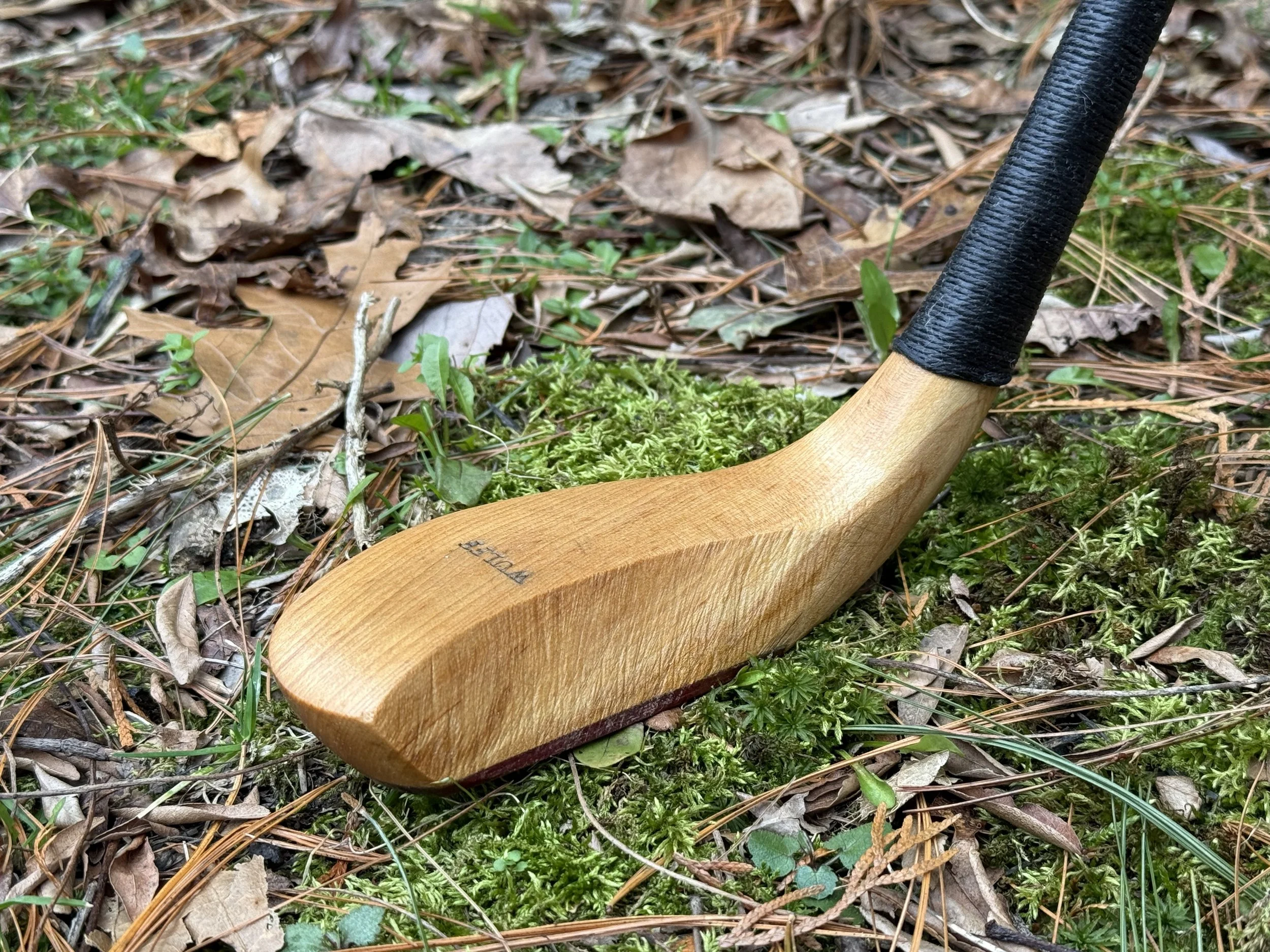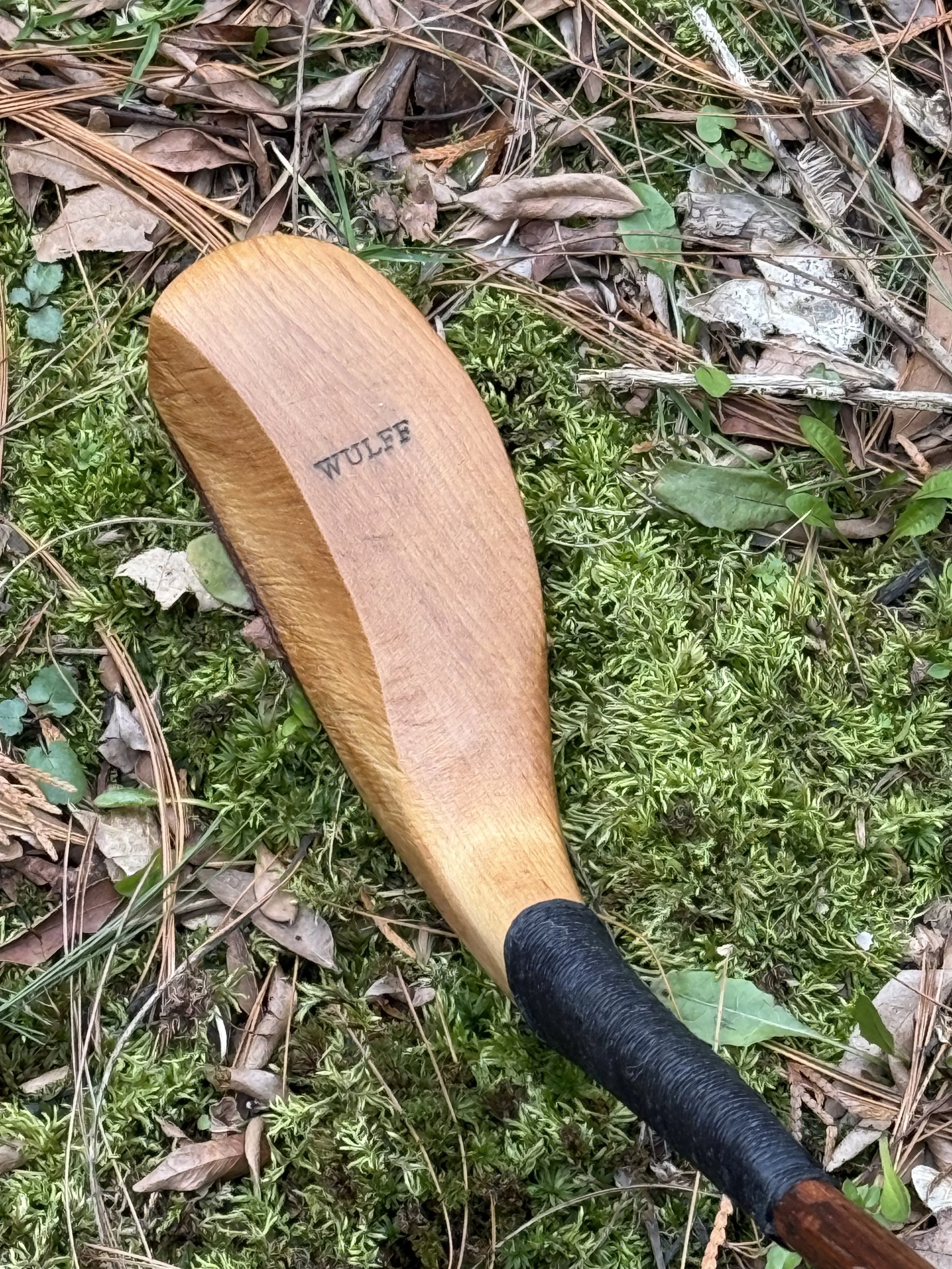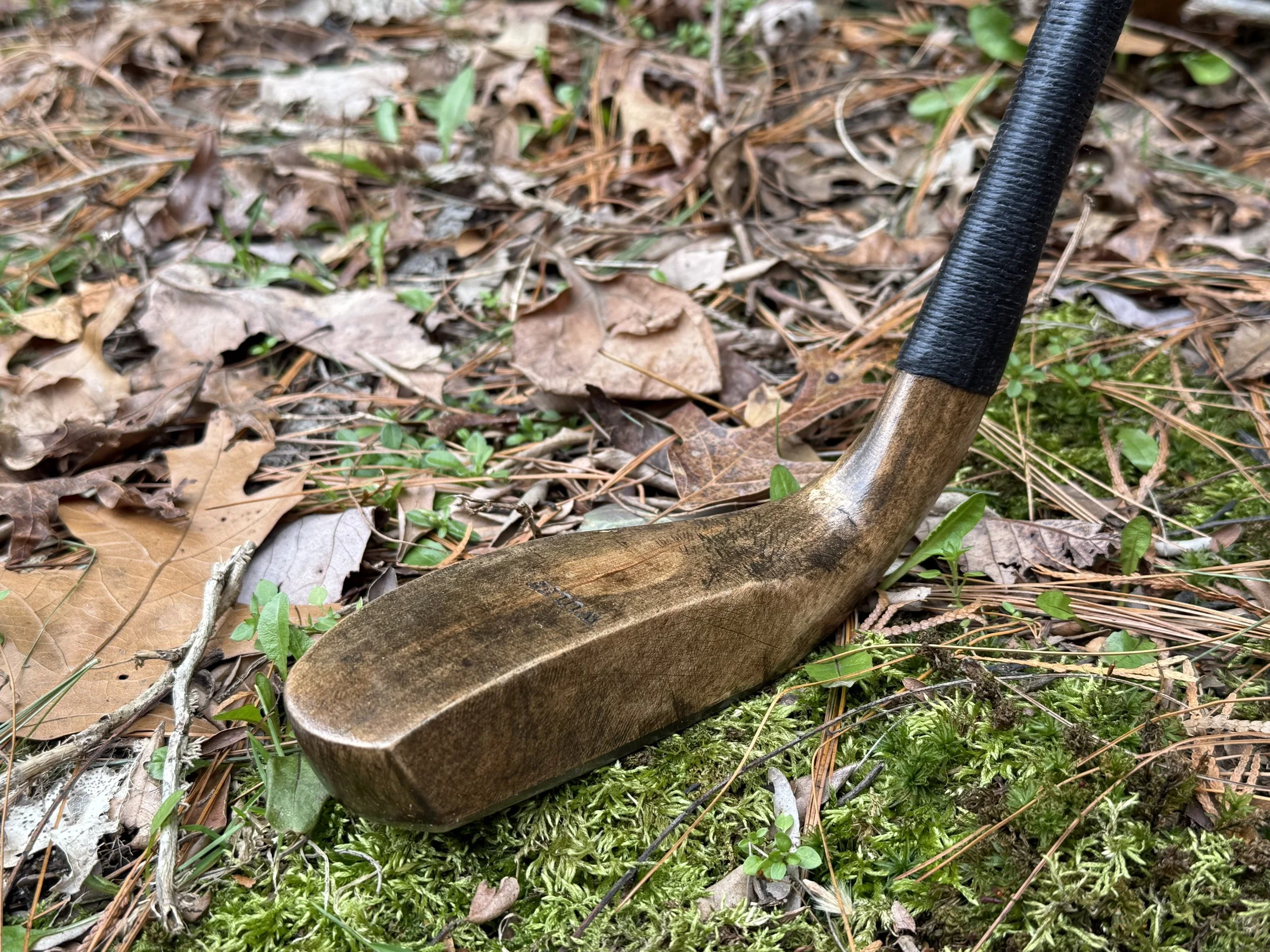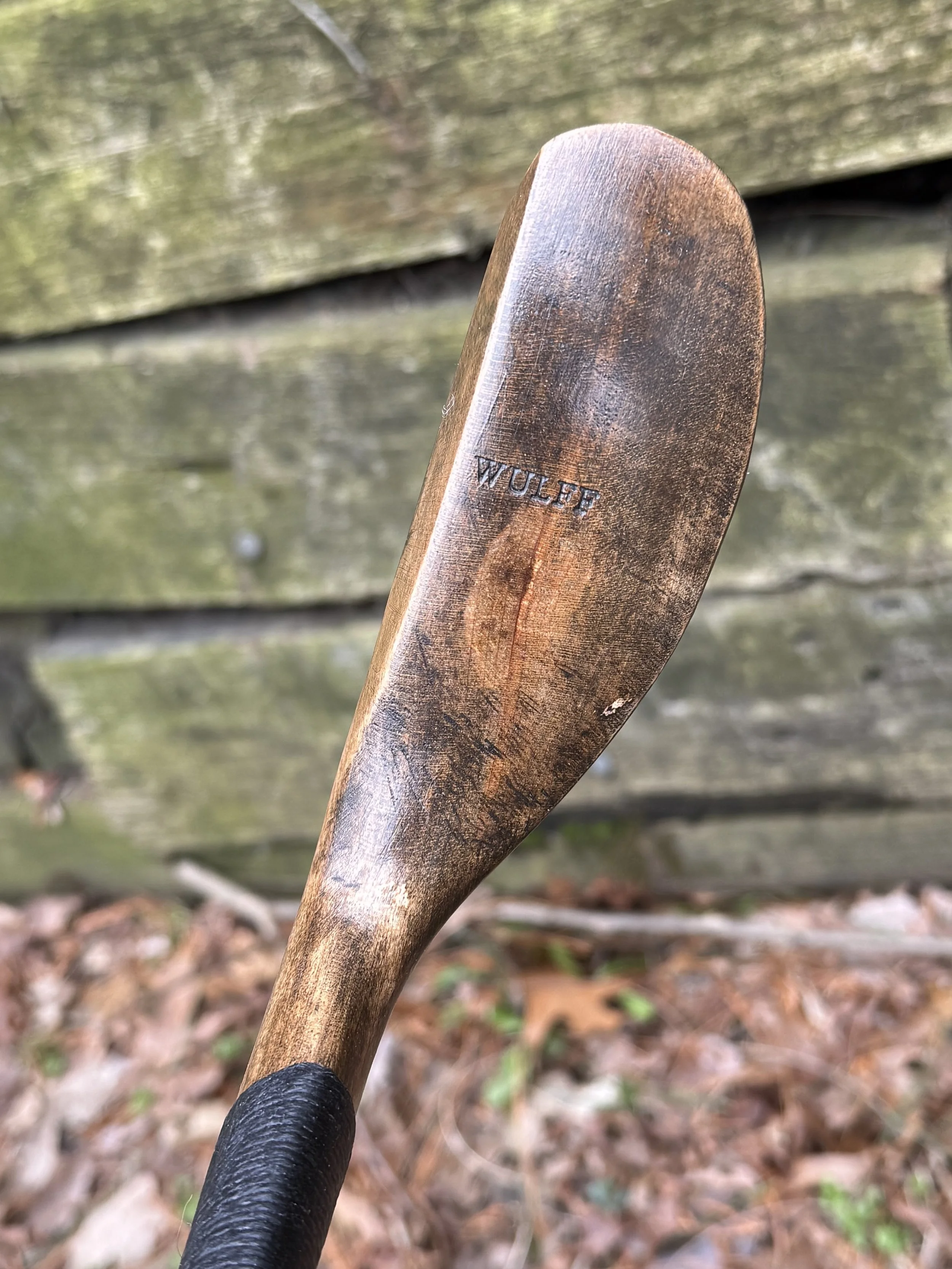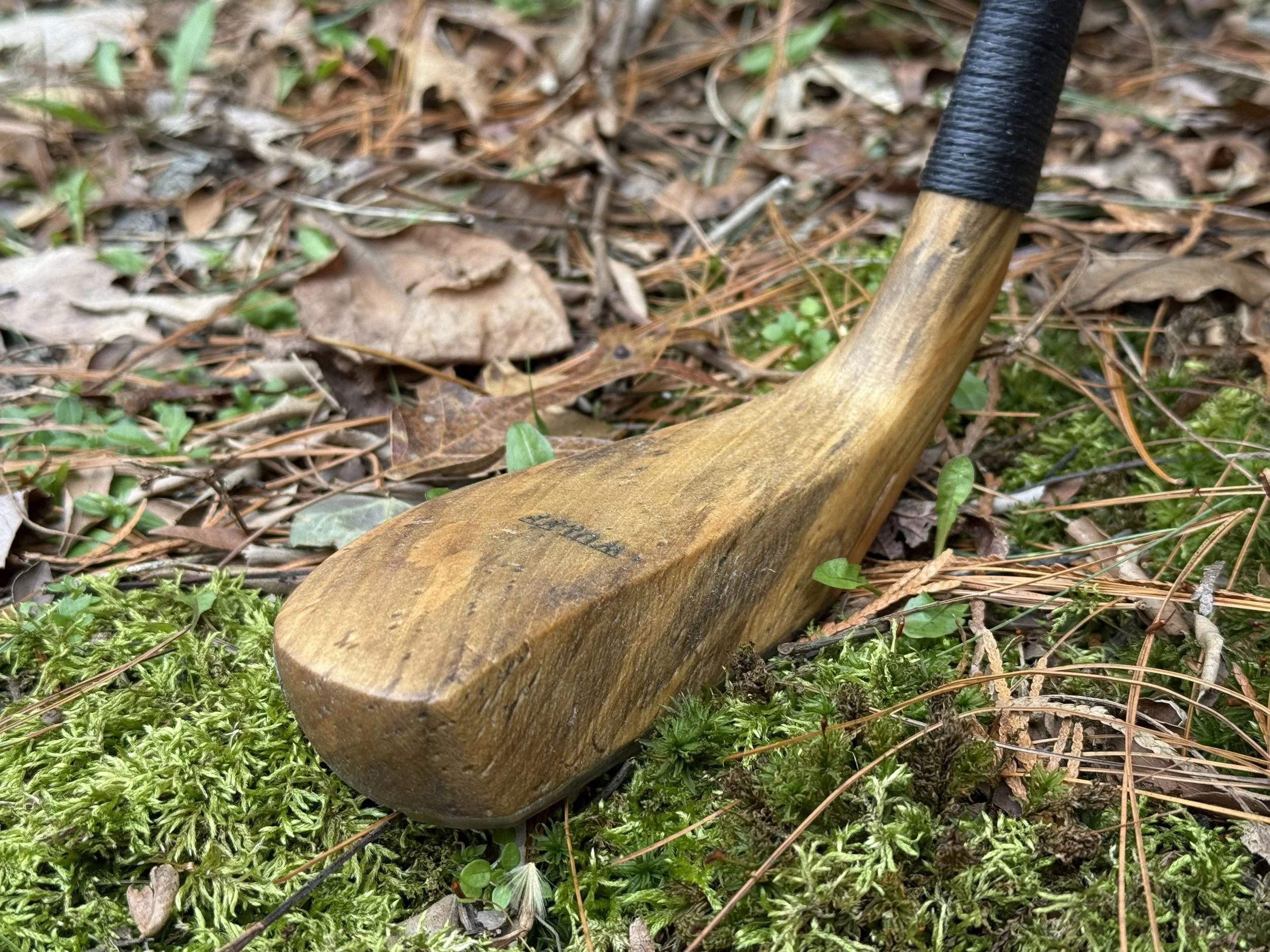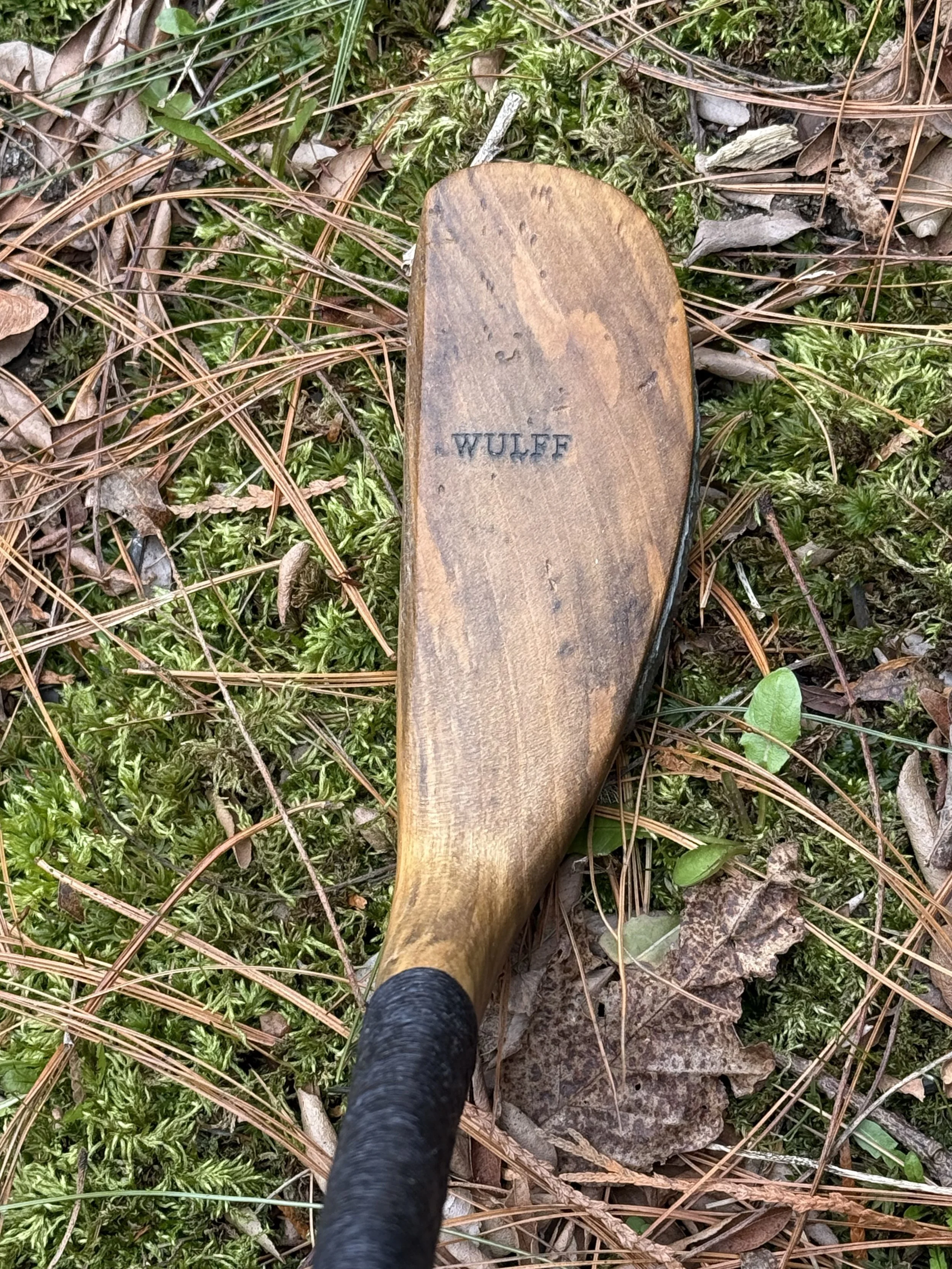
Wulff “1848 Series”
Long-Nose Starter Set
The Wulff long-nose clubs in the 1848 series commemorate the transitional period of golf from the featherie ball to the gutta percha ball. The introduction of the “guttie” in 1848 marked the end of nearly 400 years of dominance by the featherie ball and revolutionized the game by making it much more affordable to play. The clubs in this series pay homage to that pivotal moment in golf history and are made with materials and a design suited for play with any ball (featherie, synthetic gutta percha, and modern low-compression).
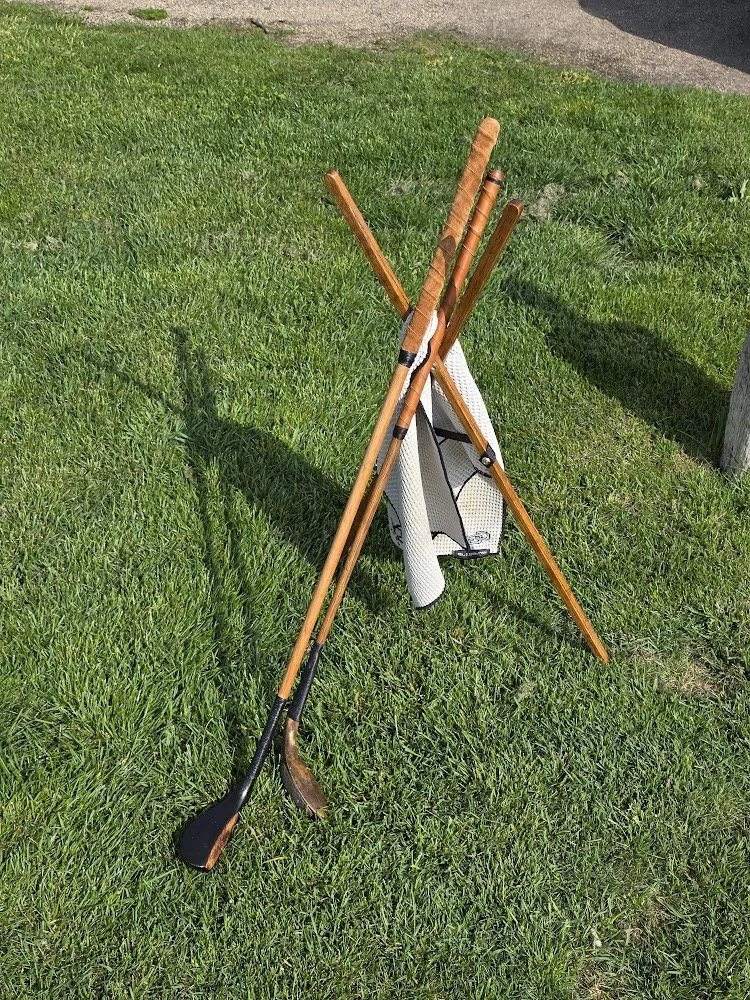
The Wulff 1848 Long-Nose Starter Set is an affordable and period-correct entry point to playing featherie and gutty golf with handcrafted long-nose golf clubs. The Starter Set includes two Wulff 1848 long-nose clubs - a short spoon and a putter - for just $400.
In my opinion, a short spoon and a putter are all you need to experience an authentic round of featherie golf or - when complemented with some smooth-face irons - gutty golf. The short spoon is a workhorse of a club with a more upright lie, 24 degrees of loft, and 39” play length, which makes it effective both off the tee, from the fairway for longer approaches, and especially in front of the green for the bump-and-run. As for the putter, loft between 6-9 degrees makes it useful on both modern greens and the shaggier, more period-correct greens you might come across. I’ve also found a wristy stroke off the green makes it effective for short approaches.
Built with durability and versatility in mind, the short spoons are made from hard maple or European beech and are guaranteed to hold up to play not just with a Lane featherie, but also with a synthetic gutta percha ball and modern low-compression ball. The putters are generally made from hard maple or spalted maple (the photos in the Gallery below show the hard maple short spoon and both the hard maple and spalted maple putters).
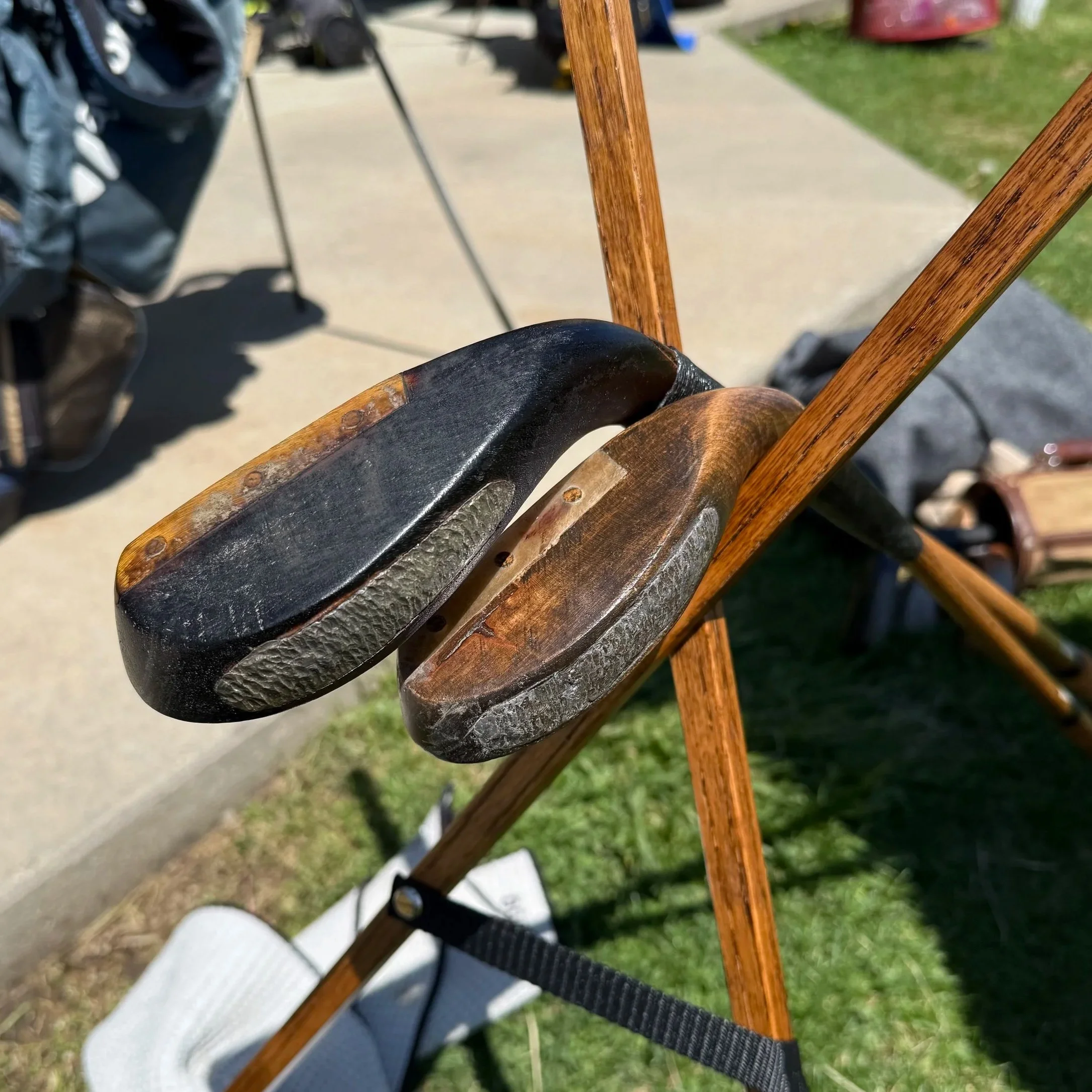
Traditionally, the material on the leading edge of the sole of the would have been made of ram’s horn, but in the spirit of “embracing a history that never was,” I’ve opted to use the very dense hardwood called lignum vitae on the short spoon, which would have been available to a hypothetical club maker living and working on Long Island, NY, in the mid-1800s. Lignum vitae is one of the hardest woods in the world and it holds up well to the synthetic gutta percha ball. It’s secured to the sole with traditional hide glue and hickory pegs. The “horn” on the putters is generally a domestic hardwood such as Osage orange, Texas ebony, dogwood, or persimmon. The weight on the back of the heads is poured and hammered lead.
The photos of the hard maple putter in the gallery show the antique finish, which is accomplished with alternating layers of oil stain and asphaltum, and the photos of the short spoon at top show the charred finish inspired by the Japanese technique known as shou sugi ban. Some clubs will also have a natural finish that’s simply several coats of linseed oil and shellac as shown with the short spoon in the photo gallery below.
The shafts on the 1848 short spoons and putters are vintage hickory or modern hickory. The grip is a thick strip of brown leather, suede-side-out, on top of a strip of felt under listing that’s secured to the end of the shaft in the traditional way with a bent nail.
These clubs are also available for individual purchase and can be viewed in the Store/Gallery: 1848 Short Spoon / 1848 Putter.
General spec range:
SHORT SPOON
20-24 degrees loft
mid E to mid F swing weight
39 inches long
PUTTER
6-9 degrees loft
mid D to mid E swing weight
34-35 inches long
If you’d like to be notified when Wulff 1848 Long-Nose Starter Sets are available, please contact me below to be added to the mailing list for this club.